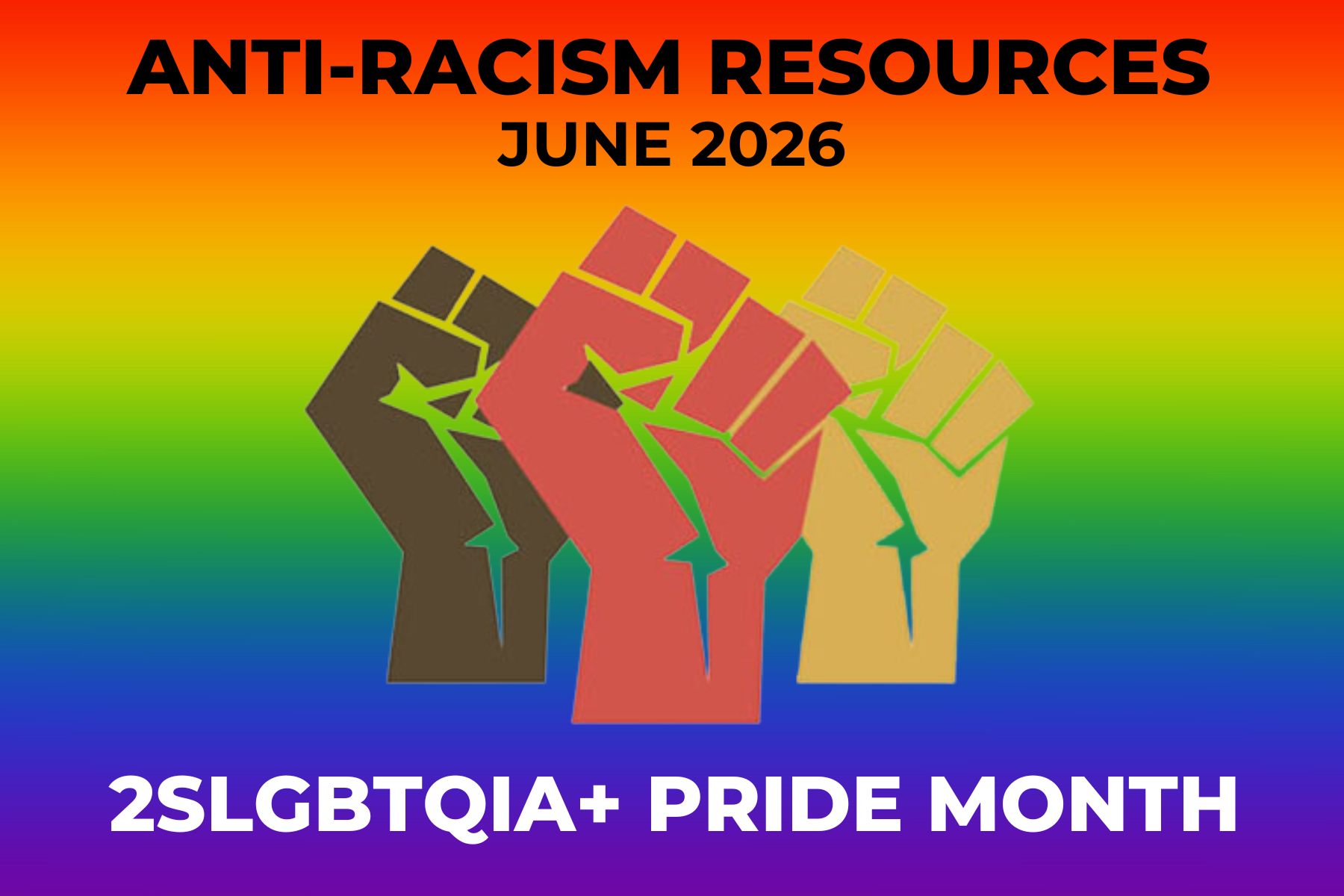
![[Accessibility description: On rainbow background is an illustration of three raised fists signifying People of Color. Above the image is the text “Anti-Racism Resources, June 2026” and below is the text “2SLGBTQIA+ Pride Month.”]](https://images.squarespace-cdn.com/content/v1/5e7be2c55ceb261b71eadde2/7c9cefe5-2e35-40a9-aad1-24c7fab74455/Anti-Racism+Resources+-+2SLGBTQIA%2B+Pride+Month+-+June+2026.png)
[Accessibility description: On rainbow background is an illustration of three raised fists signifying People of Color. Above the image is the text “Anti-Racism Resources, June 2026” and below is the text “2SLGBTQIA+ Pride Month.”]
We feature educational resources in the NAAFA Newsletter to support our community in working to dismantle systemic racism. These resources are also shared on our social media, blog, and website. Resources vary from month to month, and may include historical information, tools for personal reflection, or information about how to get involved and make change. Many of the resources we suggest will be introductory resources, and this information is never intended to be full coverage on the complex and nuanced topics that are chosen each month. We encourage you to continue learning, and we especially hope you will seek out and support scholars, artists, creators, and activists who represent the communities most impacted by the topic of the month.
This edition, we invite you to join us in exploring resources about 2SLGBTQIA+ Pride Month.
The Intersection of LGBTQIA+ and BIPOC Identities - We may think we know about intersectionality, but how much do we think about it specifically in the context of BIPOC folks who are also LGBTQIA+? This article shares some striking statistics and thoughts about how being a “multiple minority” affects all aspects of life.
Wild, Fat, Queer and Black: How I Became Free In The Mountains And Never Left by shea wesley martin - This personal essay from 2020 explores how a trip to the mountains led to finding space (literally and spiritually) to be Black and fat and queer. If a queer, fat, Black person breathes in the woods and nobody hears it, do they make a sound? (Content note: mention of suicidal ideation.)
Honoring The History Of Ballroom Culture During And Beyond Pride - This article is a celebration of ballroom culture told by Latina trans activist Lilianna Reyes, who found chosen family and safety in a scene built by Black and Brown queer people—joyful, but clear-eyed about how often that history gets borrowed without being credited.
The LGBTQ Movement Has a White Supremacy Problem - In this article, a Black nonbinary person and a white queer trans person unpack their experiences around pride, white supremacy, identity, and intersectionality.
Understanding the Barriers to Coming Out for LGBTQ+ People of Color - This is a quick read that outlines how people at the intersection of BIPOC and LGBTQIA+ face challenges in coming out and in obtaining appropriate (mental) healthcare. It includes takeaways for both clinicians and folks seeking care.
[Documentary Film] The Stroll - Co-directed by Kristen Lovell and Zackary Drucker, this HBO Documentary focuses on the history of trans sex workers in New York City's Meatpacking District. Narrated and led primarily by Black and Latina trans women who worked "The Stroll" in the 1980s and 90s, the film covers issues like police brutality, gentrification, and the fight for trans rights. Stream on HBO/Hulu (subscription required) or watch free via Kanopy app with your local library card.
Digital archive aims to preserve Bayard Rustin's legacy as a queer Civil Rights activist - Bayard Rustin was a major organizer in the Civil Rights movement, whose legacy was sidelined because of his queerness. Last year, the Bayard Rustin Center for Social Justice launched a digital archive of articles, photos, videos, speeches, etc. tied to Rustin’s work.
[Video] 9 Colors Initiative, "Let's Be Real: Being Black & Queer" Panel - Four panelists discuss intersectionality between being Black and queer from their lived experiences in St Petersburg, Florida, but their experiences translate across the U.S.
LGBTQ+ Freedom Fund - 2SLGBTQIA+ people are 3 times more likely to be jailed in the U.S. This disparity is influenced by discrimination in school employment, policing, and housing instability. Many cannot afford bail while they await trial. The LGBTQ+ Freedom Fund works to provide bail to secure safety and liberty for individuals in jail and immigration detention. They also work to address the disproportionately high rate and harm of jailing LGBTQ individuals.
[Book] Black on Both Sides: A Racial History of Trans Identity by C. Riley Snorton - This book uncovers the overlapping histories of Blackness and trans identity from the nineteenth century to the present day.